Accelerating With Gear
“Acceleration” is first a technique story—better footwork, earlier reads, looser hands. Gear can still help. Three practical levers: shoes, racket elasticity, and weight.
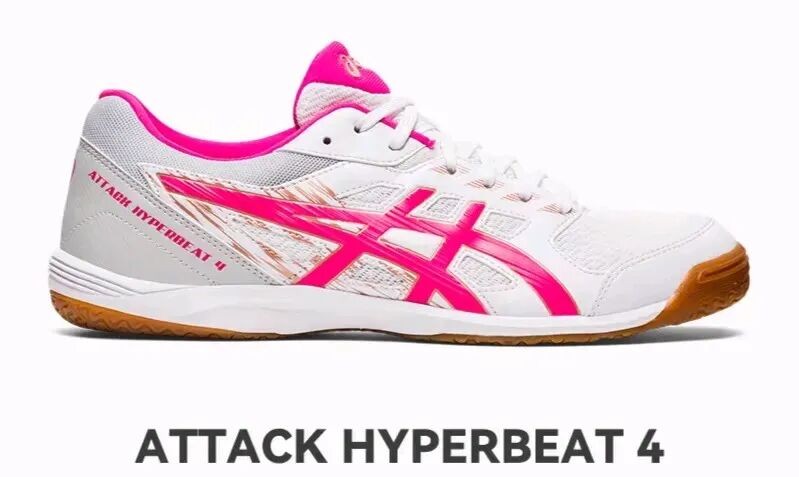
1. Start from the feet
In major events you sometimes see Liu Shiwen or Chen Meng cover shoe logos with tape when personal favorites conflict with sponsors. Chen Meng’s Asics Hyperbeat 4 (轻快王 / quick-launch line) is known for a fast first step. Mizuno Crossmatch Plio-class shoes earn “barefoot feel + quick start” reputations at strong value.
| Player type | Shoe lean |
|---|---|
| First-three focus, lighter body | Thinner “barefoot” shoes |
| Heavier players, knee issues, one-shot power styles | More cushioning / protection (e.g. Asics 跨界王-class; higher-end models help more) |
Stable, sticky first steps quietly stabilize your hands. If your footwork shoe has not leveled up with your technique, a better pair is often the cheapest “acceleration” upgrade.
2. Blade and rubber spring
Racket elasticity is trainable. Players moving from ordinary ALC-style boards to outer SZLC, from market Hurricane Long 5 to W968, or from retail Butterfly to specials (inner or outer) usually feel a jump in rebound—and need days/weeks to own it.
That spring can mean:
- Faster borrowed pace and better block support
- Stronger deformation store → burst and reserve power when you commit
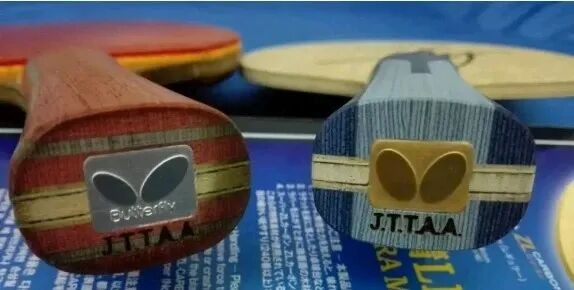
You rarely get “max spring + zero adaptation cost.” Stronger players adapt faster. Rubber works the same way—habits block adaptation more than physics does. Moving ALC → SALC, or china tacky → mild-tack outers, is an intentional speed trade you practice into.
Slow gear can feel more faithful and controllable, but it can also mean not enough finishing threat—especially if spin and raw force are not your strengths. Then speed + placement become your injury-free upgrade path.
!!! note "Aging softens speed" Long-used blades and rubber lose some spring. That alone can explain a season of “why am I slower?”
3. Cut weight (amateurs especially)
Pros often stack kits past 200 g and adapt with huge training loads. Amateurs usually gain more from lighter blanks and sheets—faster transitions, freer swings.
Trade-off: lighter equipment often thins ball quality. Check whether your game is built more on spin + mass, or on two-wing swing cadence.
Quick checklist
- Shoes: can you start and stop cleanly?
- Elasticity: are you still fighting spring you could own with practice?
- Weight: is total kit helping swing tempo or dragging it?
Related: Essential Questions Before Buying · Blade Performance Metrics