The Truth About Boosting (and Not Boosting)
Boosting is not a moral absolute. It is a tool for opening the sponge and adding spring. Whether you need it depends on the rubber family, blade support, and your ability to punch through.
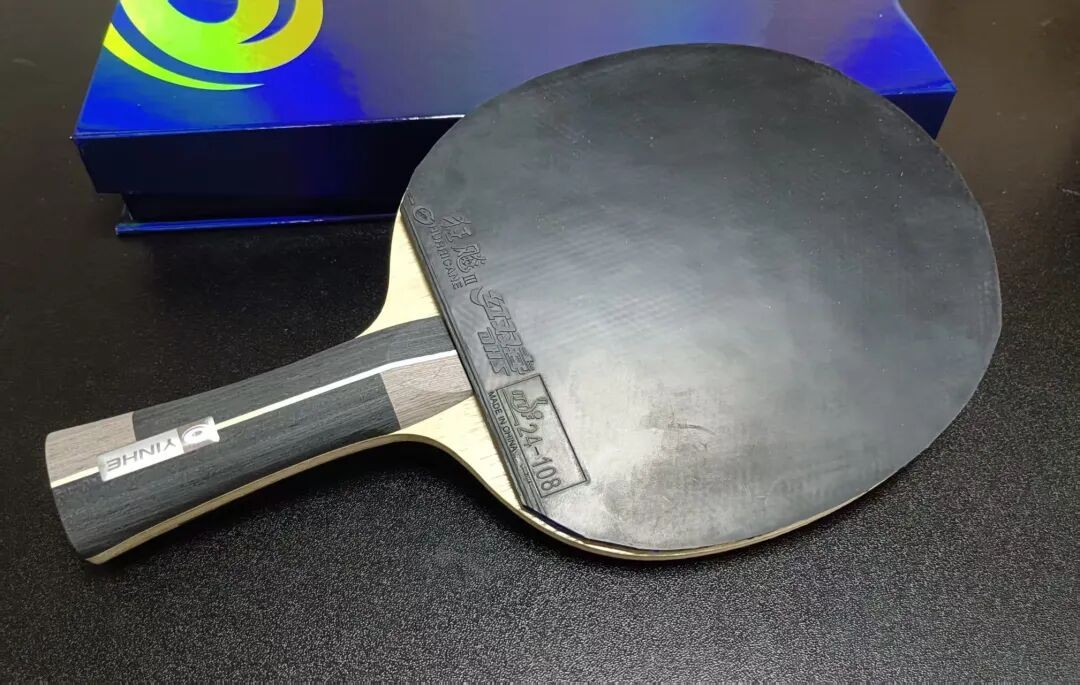
1. Hurricane 3 — boost or not?
For many amateurs, unboosted Hurricane 3 (or NEO H3) has always been playable—especially with a moderate hardness and a lively blade. Coaches teaching kids often prefer lower hardness, no boost, so the setup stays controllable.
Typical boost benefits on H3 / NEO H3:
| Effect | What you feel |
|---|---|
| Easier to open | Soften the “walled” sponge |
| More spring / speed | Faster release, less pure muscle required |
If the blade already has strong spring and the Hurricane sponge is not extremely hard, boosting is optional, not mandatory. The modern fashion is still “boost,” and boosted H3 does hit harder—but so do many fresh factory-tuned tensors.
Boosting also helps sheets that feel dead to mid-level force, e.g. some players call unopened T05 Hard trash until a light boost makes it usable.
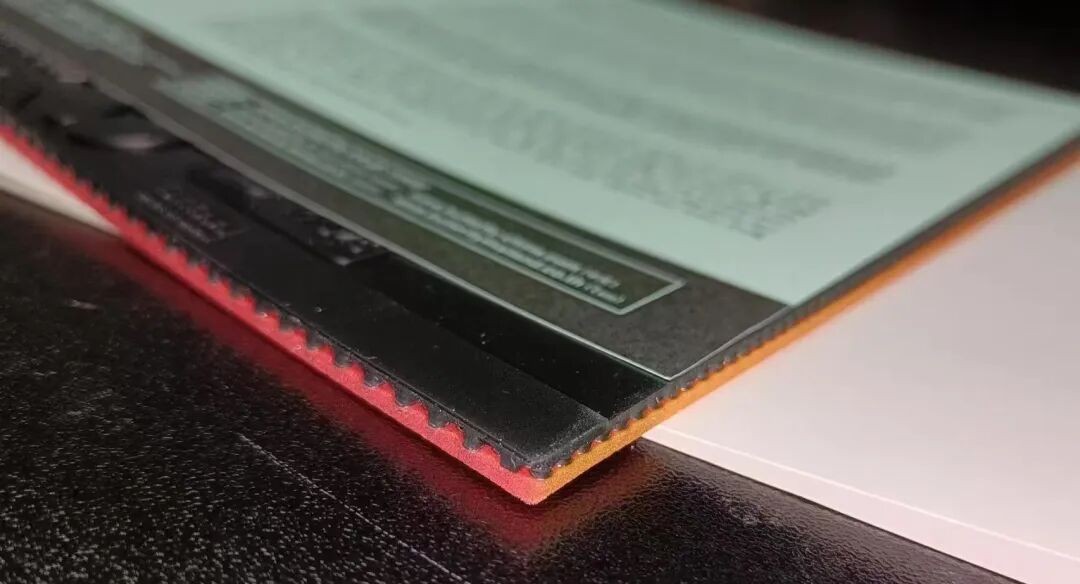
2. Why overseas sheets can still look “pimple-juicy”
Several reasons, overlapping:
- Many JP/KR FH players also run Hurricane and boost—sometimes chasing old-oil feel like amateur enthusiasts.
- Some Butterfly FH T05 Hard sheets look plump because of player-side boosting or stronger factory preconditioning.
- Fresh vs aged stock differs: same model, new packs can bend differently; some sit in warehouses longer. Extreme case: special white-shell D05 arriving with already-faded sponge.
Boosting usually increases:
- transparency / spring
- wrap / dwell sensation
…and shortens lifespan. Factory energy on foreign tensors also has a clock—buy fresh when you can.
On Butterfly Tenergy, boost/oil excess often accelerates topsheet pilling more than it kills sponge spring (T sponge energy is relatively durable). For many ESN “tuner-free” sheets, factory tension is pre-boosting—so longevity is hard to make legendary. If a model claims “longer life,” it usually changed sponge/topsheet chemistry or dialed factory energy down.
!!! note "The short-life paradox" The easier an imported energy rubber feels out of the pack, the shorter its peak window tends to be.
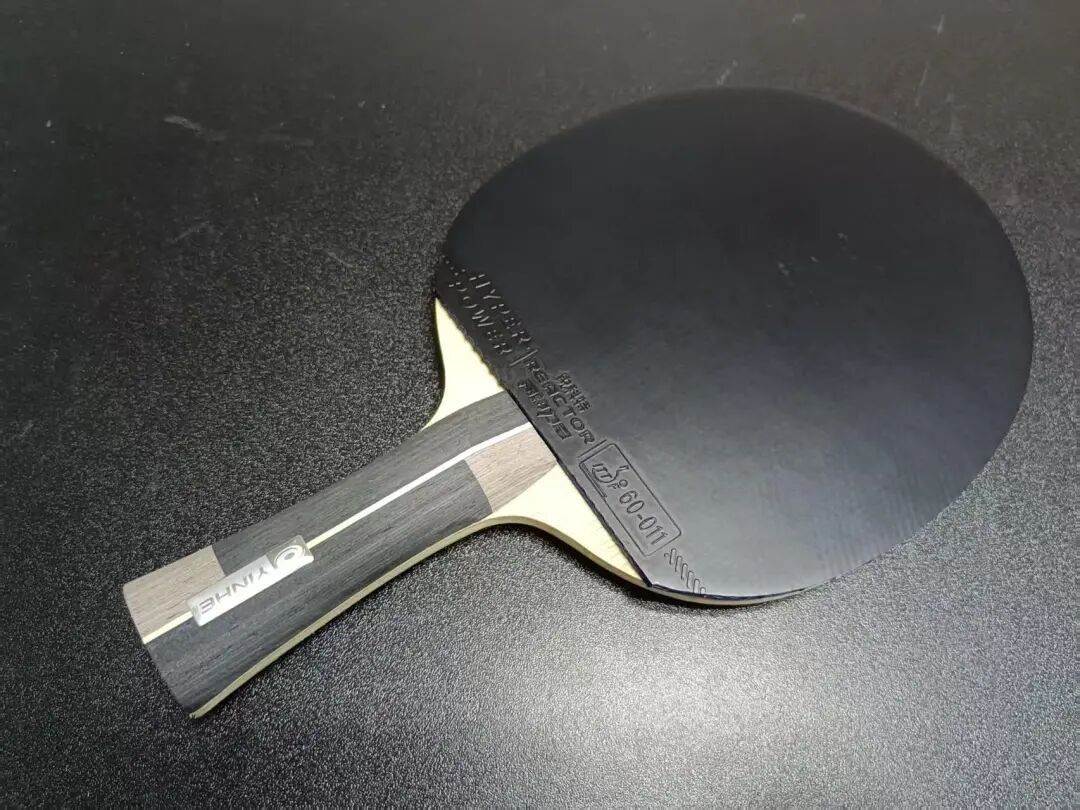
3. Two viable paths
| Path | Idea |
|---|---|
| A | Chinese tacky (e.g. Hurricane) + boost |
| B | Tuner-free outers—usually mildly tacky / grippy, not ultra-tacky |
High tack + true factory energy rarely unify perfectly. Better attempts in that niche include things like Guobiao 3, Big Dipper V, Tibhar K2, RKT Hyper-Power AMG-type sheets—but few claim to beat a well-boosted Hurricane 3.
D09c, Jekyll & Hyde C55.0, etc. are closer to mild tack than pure sticky china. Mild tack is easier to make fast; ultra-tack factory-tuned speed is the hard combo. You do not need max tack if friction is enough for spin.
Many players successfully migrate from boosted Hurricane to:
- D09c / C55.0 / Dynaryz ZGR / K2 Pro / Stiga DNA hybrids
Decision cheat sheet
| Your situation | Lean toward |
|---|---|
| Soft blade + hard china sponge | Boost (or lower hardness) |
| Hard/lively blade + mid H3 | Unboosted can work |
| Cannot open T05 Hard / D05 | Light boost or softer sheet |
| Want low maintenance | Fresh tuner-free / mild-tack outers |
| Chase max china spin weapon | Boosted Hurricane-class |
Related: Rubber Lifespan & Wear · Why Tenergy Before Dignics